

In 2026, creating fast, efficient, and user-friendly websites is no longer a luxury — it’s a necessity. As web developers, we face an ever-evolving landscape of tools, frameworks, and techniques that can drastically improve the performance of our applications. In this post, we’ll cover the best tools, advanced optimization strategies, and best practices that every web developer should know in 2026.
Let’s dive into some proven techniques to boost your web development game and keep you ahead of the competition.
1. Optimizing Website Speed: Why It Matters in 2026
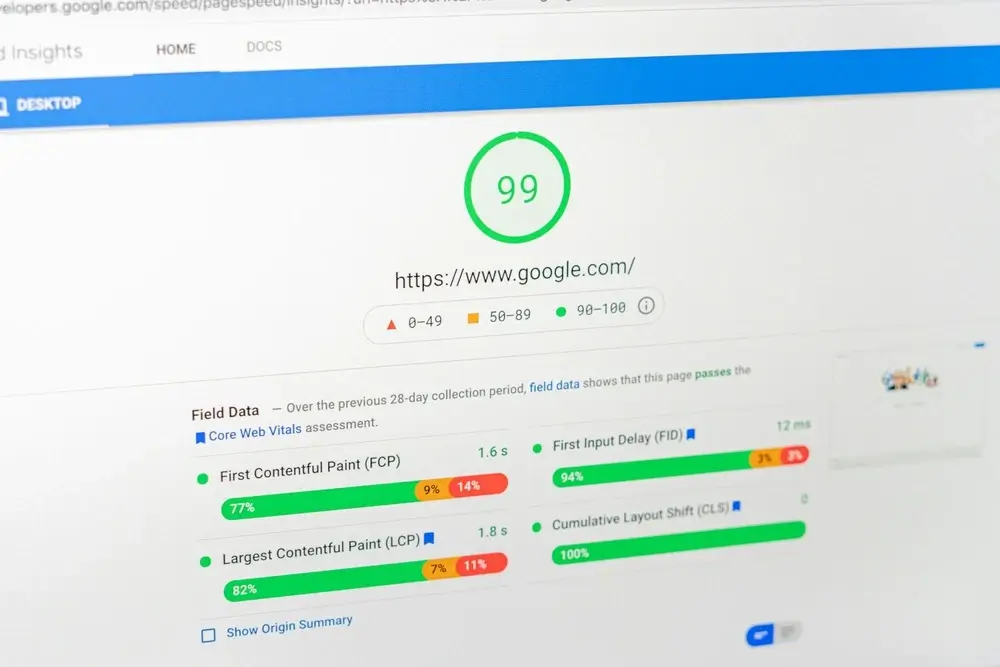
Why Speed is Crucial: Website speed plays a vital role in user experience, SEO, and conversion rates. A delay of just 1 second in page load time can lead to a 7% reduction in conversions. The faster your website loads, the better your chances are at keeping users engaged and improving search engine rankings.
Tip: Use Lazy Loading for images and videos to only load content when it’s in the user’s viewport. This reduces initial load time and improves performance.
Bonus: Implement content delivery networks (CDNs) like Cloudflare or AWS CloudFront to cache your static content at edge locations globally, reducing latency and speeding up load times for users around the world.
2. Advanced Development Tools Every Developer Should Know
Why It Matters: Tools can drastically improve your workflow and increase productivity. Advanced development tools help you streamline your process, debug efficiently, and ensure that your code is clean and well-maintained.
Tip: Use Webpack for bundling your assets and reducing the number of requests the browser needs to make. This results in a faster, more efficient loading process for users.
Bonus: If you’re working with containers, Docker is a powerful tool that can help you create isolated environments for your applications, ensuring consistency across development, testing, and production environments.
3. Mobile Optimization: Designing for Every Device

Why It Matters: Mobile web traffic is expected to continue outpacing desktop traffic in 2026. Creating a mobile-optimized website ensures that your platform looks great and functions smoothly, no matter what device the user is on.
Tip: Responsive web design is essential in today’s mobile-first world. Use CSS Grid and Flexbox to create layouts that adapt to different screen sizes without compromising user experience.
Bonus: Test your website’s performance using tools like Google’s Mobile-Friendly Test and optimize touch interactions, making sure elements are clickable on smaller screens.
4. Implementing Secure and Scalable APIs
Why It Matters: APIs are the backbone of modern web applications. Whether you’re building a RESTful API or integrating with third-party services, security and scalability are critical factors to consider.
Tip: Secure your APIs by using JWT (JSON Web Tokens) for authentication, OAuth for secure authorization, and always use HTTPS to encrypt data during transmission.
Bonus: Consider implementing Rate Limiting to prevent abuse and ensure that your API can handle high levels of traffic without crashing.
5. Continuous Integration and Deployment (CI/CD)
Why It Matters: Continuous integration and continuous deployment (CI/CD) automate the process of testing and deploying your code, ensuring that it is always in a deployable state. This helps to identify bugs early and streamline the development process.
Tip: Use GitHub Actions or CircleCI for automated testing and deployment workflows. This will save you time on manual processes and ensure that you deploy clean, error-free code every time.
Bonus: Ensure that your CI/CD pipelines include automated testing for both unit and integration tests. This prevents bugs from slipping into production and gives you more confidence in your code.
6. SEO Optimization in 2026: Keeping Your Website Visible
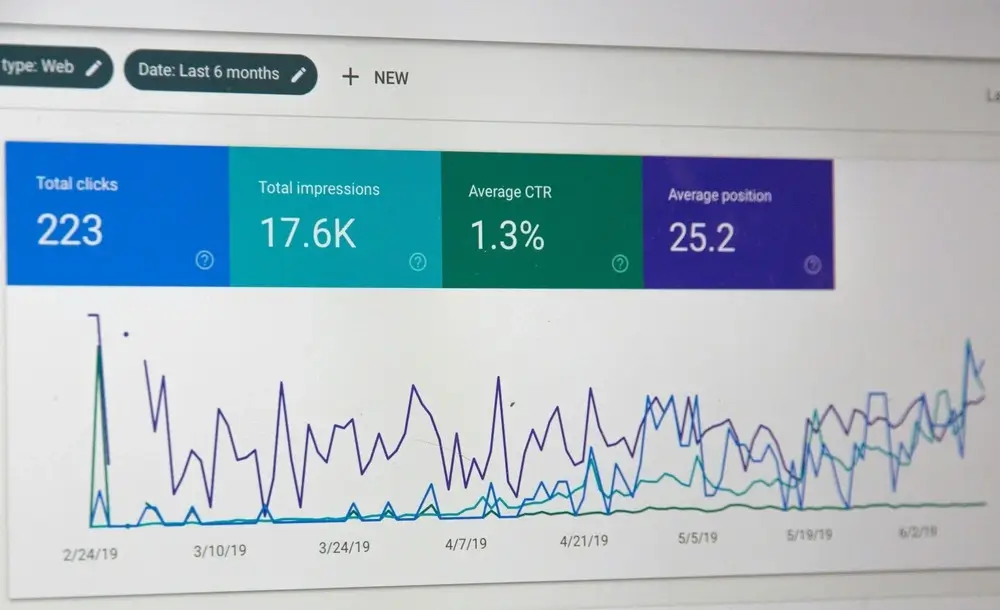
Why It Matters: In an increasingly competitive digital world, standing out in search results is crucial for gaining traffic. As search engines evolve, so do their algorithms, and keeping up with the latest SEO trends is vital.
Tip: Focus on Core Web Vitals — factors like loading speed, interactivity, and visual stability. Google now uses these metrics as ranking factors, so improving them will give you an SEO boost.
Bonus: Use structured data (Schema Markup) to make it easier for search engines to understand your content, which can help your site appear in rich results like snippets, carousels, and knowledge graphs.
Final Thoughts: Mastering Web Development in 2026
To stay ahead of the curve in 2026, web developers need to be familiar with the latest tools, techniques, and optimization strategies. Whether you’re optimizing your site’s speed, working with cutting-edge development tools, or improving your SEO, continuously learning and adapting will ensure that you remain competitive and deliver the best results for your clients.
Stay curious, keep experimenting, and never stop optimizing!